A Super Metroid shaped arc in my game discovery saga
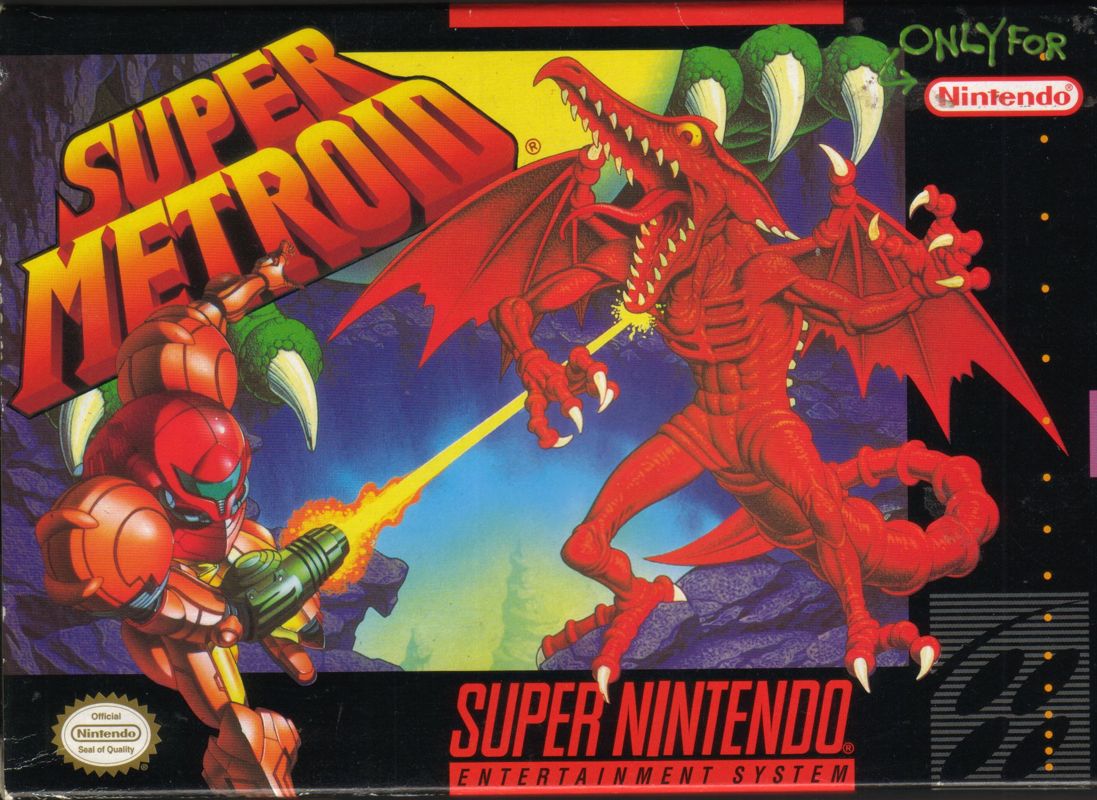
An interesting thing about playing this game in the modern day, on my Steam Deck and without a manual (as well as without audio, as I need to fix the audio on my Deck right now anyways), is that absolutely nothing in the game is associated with its name in the game itself: No healthbars, no nametags, nothing. There’s a lot I had to guess, and because the Golden Four statue made its individual components pretty unclear on first look, it was hard to tell what constituted a proper boss or a miniboss. It also, unfortunately, means that I had to crutch pretty damn hard on various online guides, because especially before power bomb and x-ray, there are so many things in this game that I know I would’ve never figured out without the guide, either when it comes to placements of important items (notably the plasma beam) or tech that I would’ve never known about (like shinespark and crystal flash). Really, I think it’s a game so beautiful in its nature, but so hard to understand without a lot of external assistance, but maybe that’s the yellow paint gamer in me talking.
I said in my short review of this game that it’s so immediately and immensely clear why the Metroid series is the face of an entire game genre: It’s a beautiful way of handling progression that I definitely want to experience more of (and that makes me sad that I got spoiled on some of Lingo’s colors, but considering the circumstance that got me to that point in my life, I’m not too surprised). The flow of the game is very interesting, and every item leads into another in a grand sense, which is definitely what’s made this genre any interesting to me at all: Even the littlest unlock opens up zones I can’t even go back to yet that I’ve now got on my mind, things I’ve seen and wanted to understand clicking into place only after a ton of items complete the puzzle. It feels like a proper game, if not in general, at least in the scope of randomizer progression: Everything feels like I’m doing something, everything has a purpose everywhere, and it’s so interesting when that purpose eventually gets revealed. That’s the reason I honestly don’t even mind the lack of immediate story presence in the game, besides the overarching plot: I’m very much here for the gameplay, and the gameplay tells a story of its own.
Fights in this game are… interesting. It’s definitely easier to tell how far you are along in a boss than something like Hollow Knight, or a Kingdom Hearts game without Scan enabled (which is the reason I put it in my starting inventory when I play randomizer), but having absolutely no healthbar means I’ll either need to plan around the health of the boss (as I did with Ridley) or just spend all of my resources and pray. It’s hard to tell when the actual point of death for a fight is, which made my first playthrough a bit weird, but probably makes things a whole lot better when I actually know the values of some of these things (see: Ridley was first try for me after I started using I+W+P charge shot instead of a bunch of super missiles and properly dodged those tail attacks). It’s something difficult to tell what works and what won’t, but after missiles become more accessible, the pattern becomes much clearer. It’s definitely a shame that the plasma beam is so far out of the way, because I feel like I would’ve enjoyed much more of the lategame if I had gotten it even slightly earlier.
Speaking of the plasma beam: My mention of crutching on guides so much definitely comes from how hidden some of the key items can be, even in the early game. Spazer definitely also stands out to me in this regard, as do all of the reserve tanks, and even Kraid’s whole section of the map is hidden behind a super missile only wall. Ultimately, this is a map you probably need to know very well if you’re going to do anything of substance in it; my playthrough only had 59% item collection, so I can only imagine how wild the placement on the rest of the 41% is, especially when power bombs really can’t help most of the time. I definitely wish that the x-ray scope was easier to get earlier on; though I didn’t use it much over spamming power bombs, it’s handy to have and means game knowledge isn’t heavily assumed of me.
If it’s not clear by my recent disposition, I got into this game with the randomizer in mind: Archipelago, namely, as well as SMZ3/Quad, but I’ve also been watching a lot of map randomizer for the game on the side, and it looks really interesting, so I definitely want to try it out at some point. For me, someone looking for good, old randomizer games, this game is a no-brainer in that department: The genre is practically designed to make the best randomizers possible, and the community behind its randomizer is already incredibly diverse. It’s the reason I’m certainly not rushing to play another Metroid game any time soon (partially because I have a whole bunch of other games to get through first), but it’s why I do want to return to the genre when I learn of more games in it, or decide to actually push through Hollow Knight or Silksong again: On its own, Super Metroid already has enough going for it to keep me interested for a while, and I’m really excited for what I’ll see the more I play it.
I wish I could say more about this game, but honestly, it’s very easy to review all in one go, as that’s how I processed the experience. I’m just looking forward to pushing through my backlog as the days go on, and for what I’ll have to do in this game when I come back to it. Maybe the next time, it won’t take me weeks.